
Plug and Play - Research & Design
For a Summer Building Course offered by the University of Waterloo, I took on the challenge to create a sample competition entry for a constuction system. This project involved secondary reserach, structural knowledge, and iterative design. The system is a redesign of the traditional school portable, with a child-first focus, while keeping constraints of cost and modular design in mind.
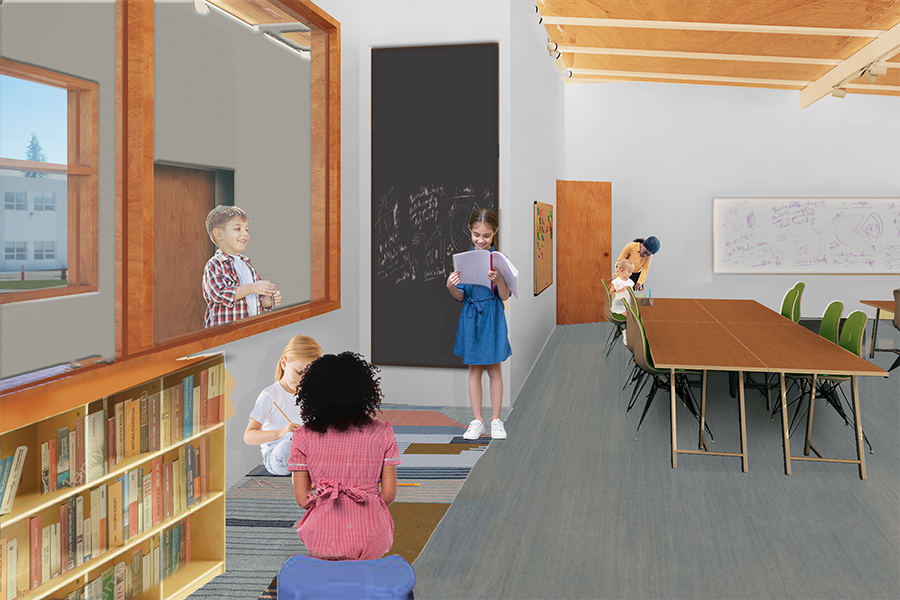
Timeline: 1 month
Team: Myself
Skills: Secondary research, branding, storyboarding, 3D modeling, architectural design, graphic design, illustration, 3D rendering
Results:
My project was commended both for being “a creative yet feasible solution to a very relevant problem”. Other feedback I recieved included, “the shape is clever and allows for a lot of interesting configurations”, and “the division between social, instruction, and quiet space is well considered”.
The project was featured as an example for future students on the course website.
Background
The initial research for the project consisted of a wide evaluation of current portable systems. I strived to find both the current common solutions, and unique new systems interested in changing the current model through energy efficiency, student joy, and material use.
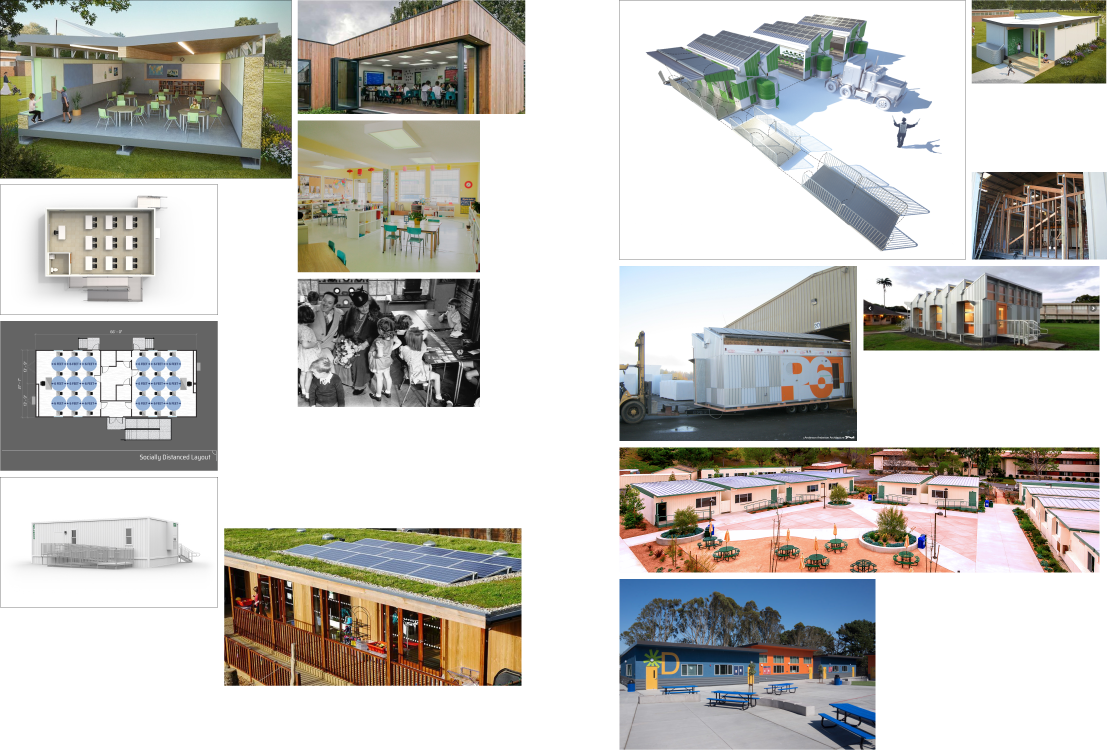
Left: (1) Strawbale Portable Section, Evolve Builders and Workshop Architecture, 2011, (2) Green Modular Classroom, (3) Wilscot Portable Classrooms, 2021 (4) Crestwood Montessori, 1961, (5) Wilscot Portable Classrooms, 2021, (6) Maria Montessori, Kurt Hutton, Getty Images, (7) Wilscot Portable Classrooms, 2021, (8) Eco-classrooms, TG Escapes, 2016. Right: (1)Net Zero Energy Classroom, Holcim, 2011, (2) mobEE Mariposa, Evolve Builders and Workshop Architecture, 2011, (3) Net Zero Energy Classroom, Holcim, 2011, (4) Net Zero Energy Classroom, Holcim, 2011, (5) Net Zero Energy Classroom, Holcim, 2011, (6) Campus Maker Hybrid, Mobile Modular, (7) Summit Shasta High School, JLC Buil, 2018. In both cases, citations are listed left to right, and top to bottom (in that order).
Project Context
Plug and Play is a portable classroom equivalent which recognizes the necessity for modular classrooms which are child friendly and sustainable. Current portable classrooms are bought as a temporary fix for schools all over Ontario, and these classrooms are not fit for long term use. They are often made with harmful materials and without any consideration for the specific needs of children.
Frameworks
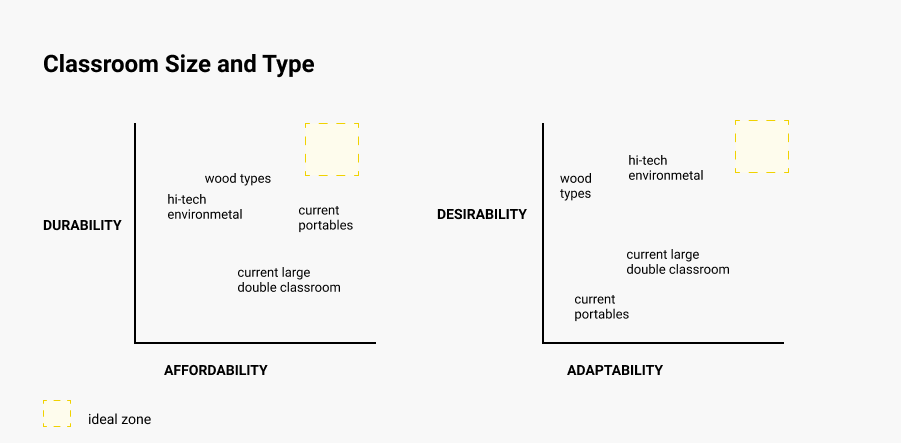
These initial frameworks were developed based on the research in order to help focus the design, and generate deeper inquires moving forward.
3 Principles of Design
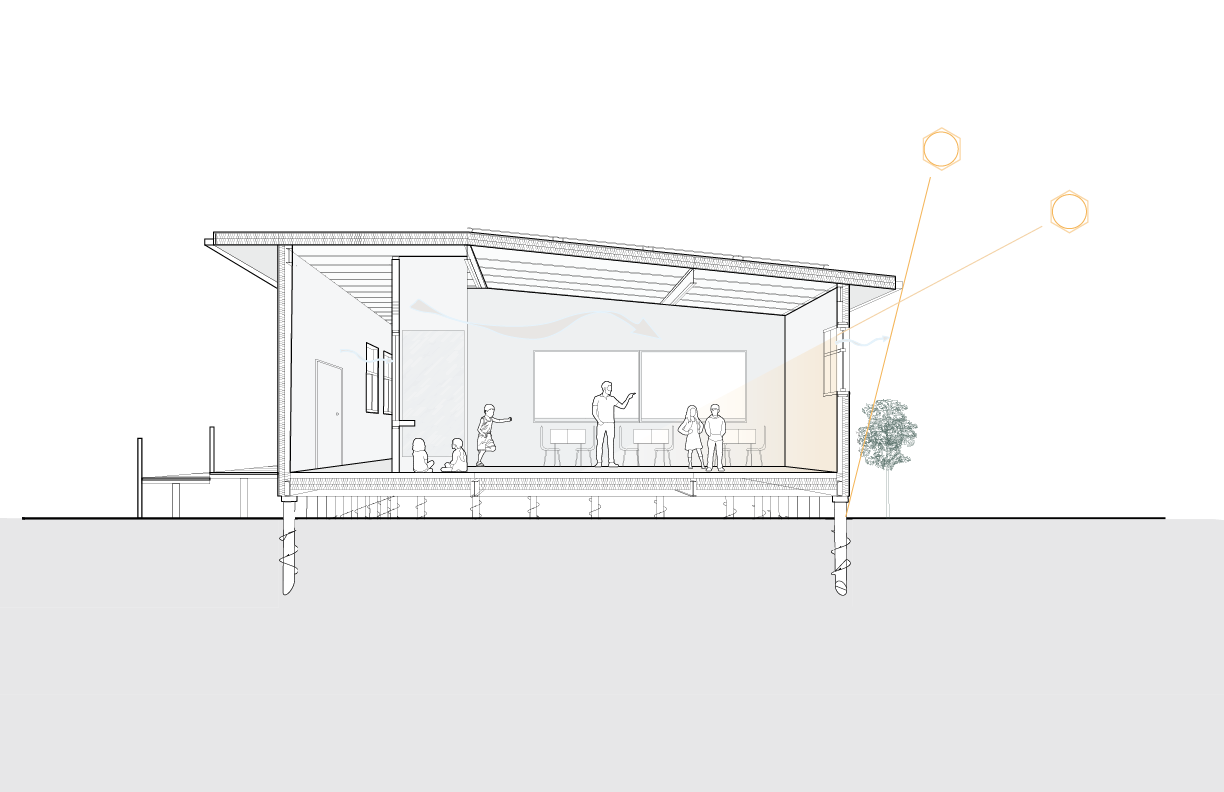
1. Slope down to meet child’s scale
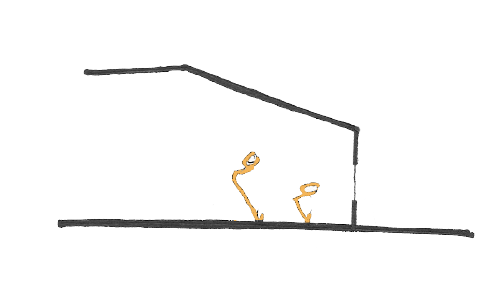
2. Provide spatial variation
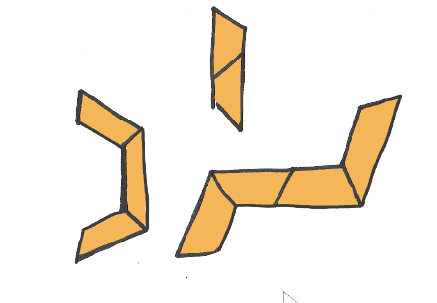
3. Create various nested spaces within line of sight
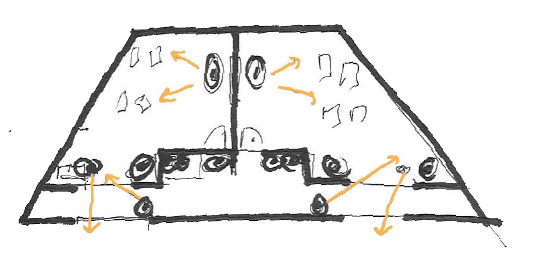
These core ideas were used to develop the form and basic layout of Plug and Play.
Form Diagrams

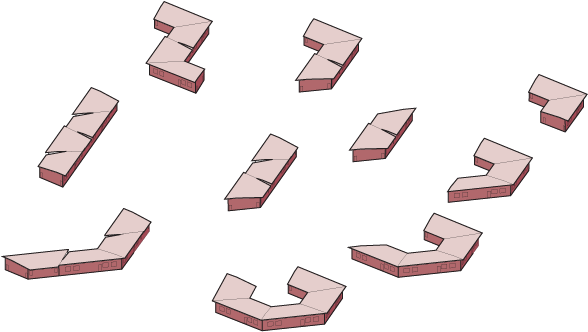
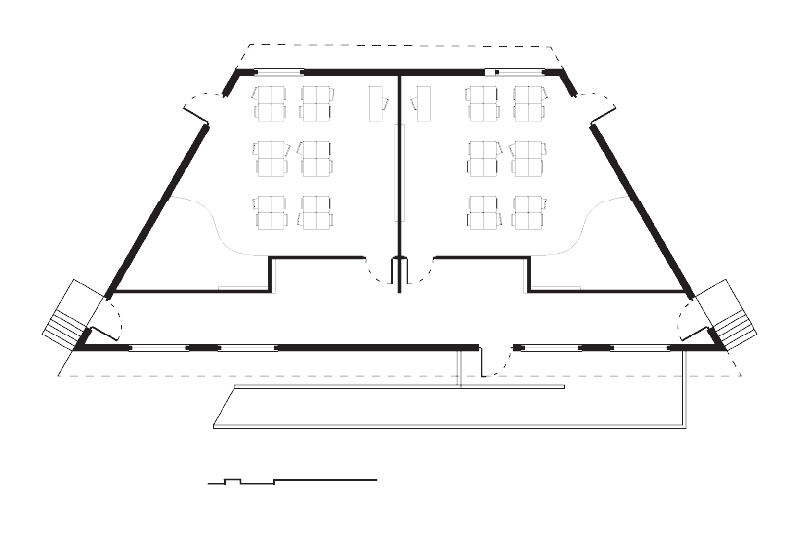
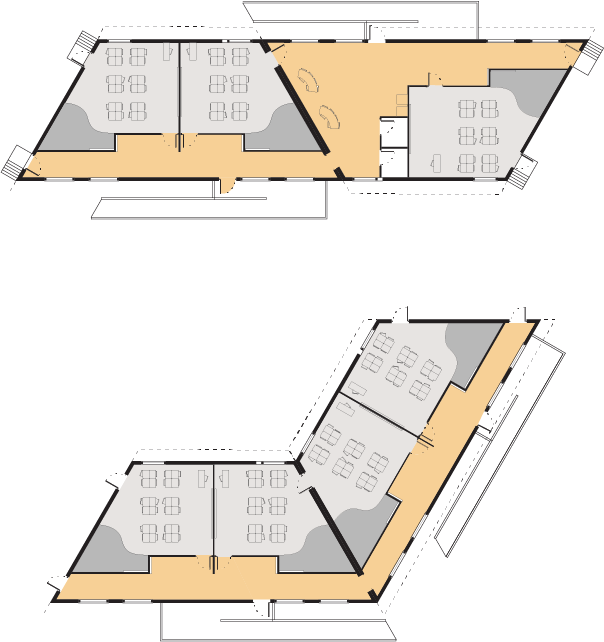
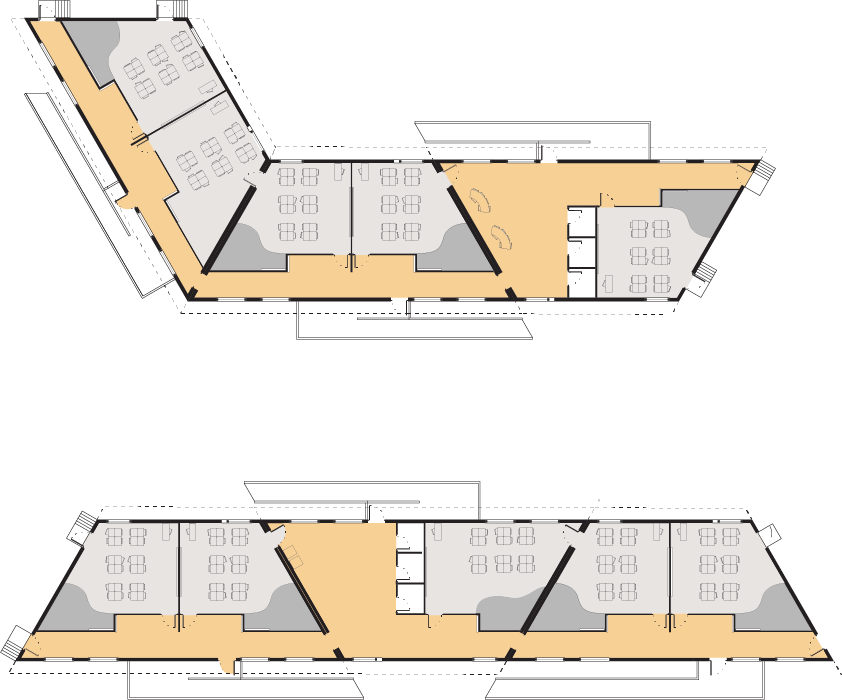
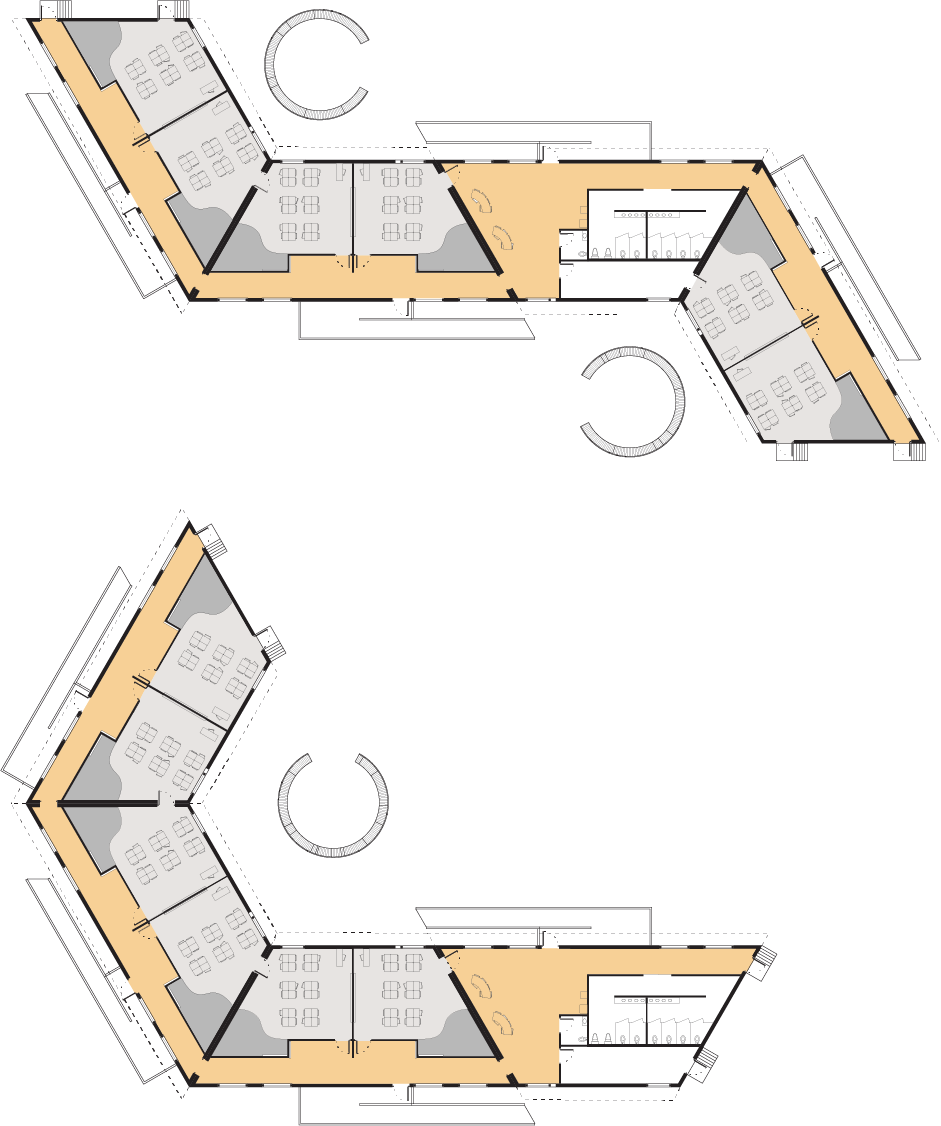
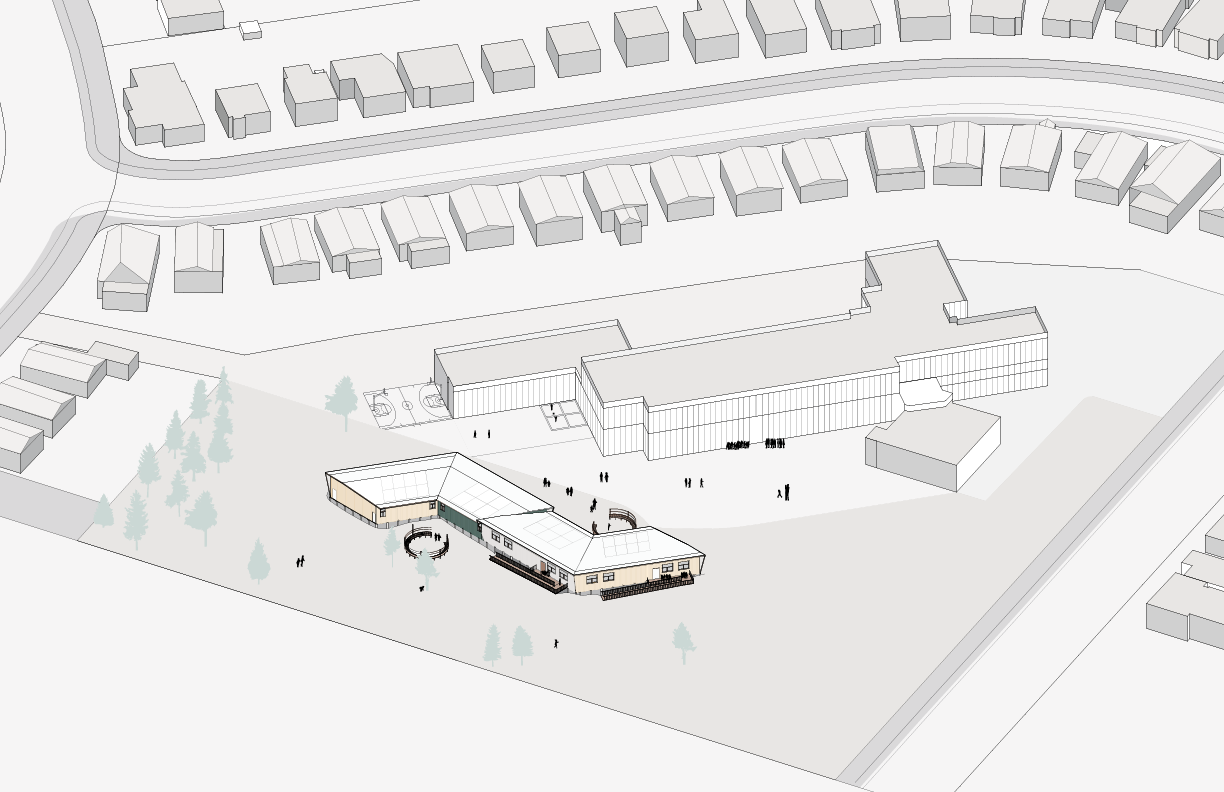
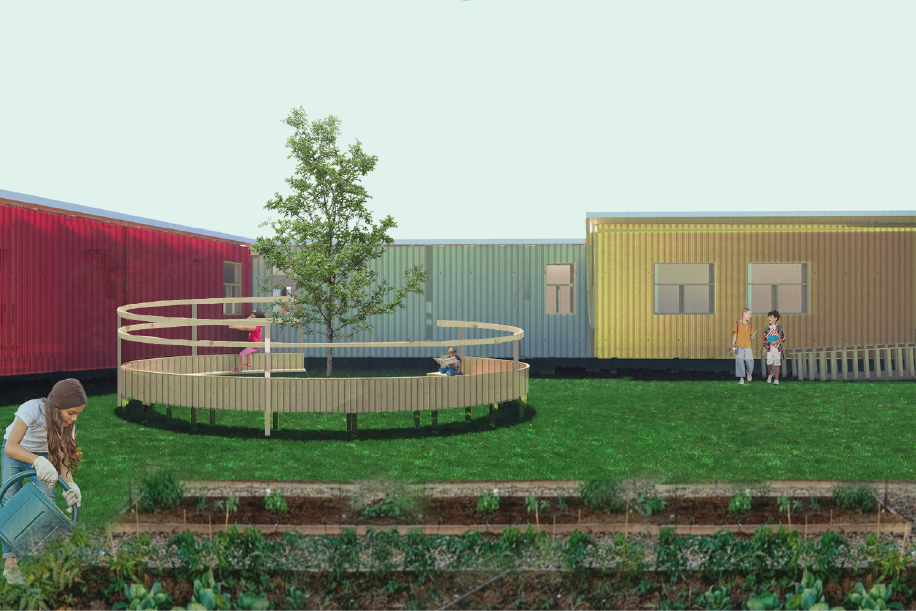
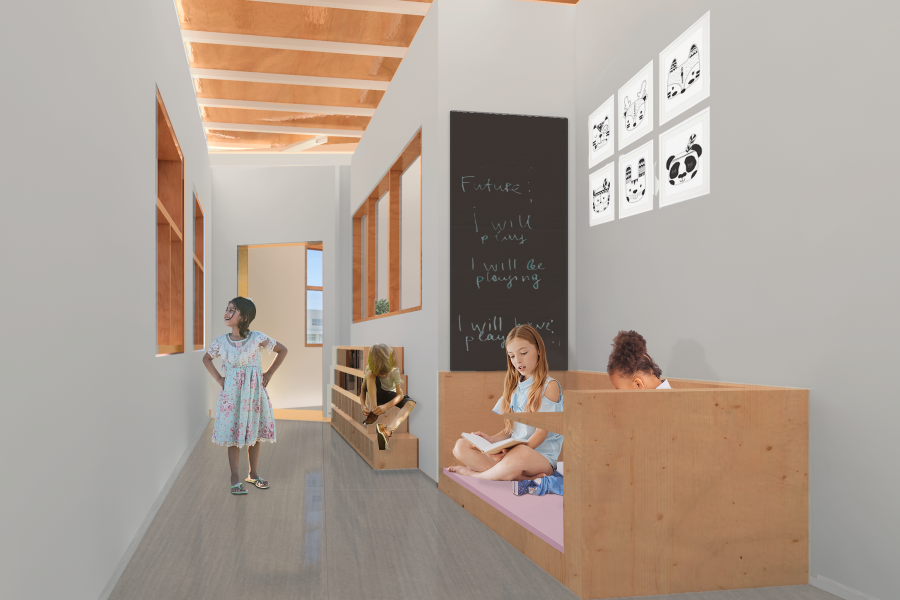
The modular classrooms are designed in line with the Montessori method of child friendly learning environments which emphasizes simplicity, organization, security and varied spaces for silence and activity. These classrooms form a charitable environment which gives children far more choices and autonomy through small reading nooks and group corridor spaces within line of sight or earshot of a classroom. Instead of each portable being designed for a one purpose space, the layout allows for multiple purposes and is flexible over time as more portables may be added.
Plan
Spatial Configurations

Module Section
Assembly Diagram
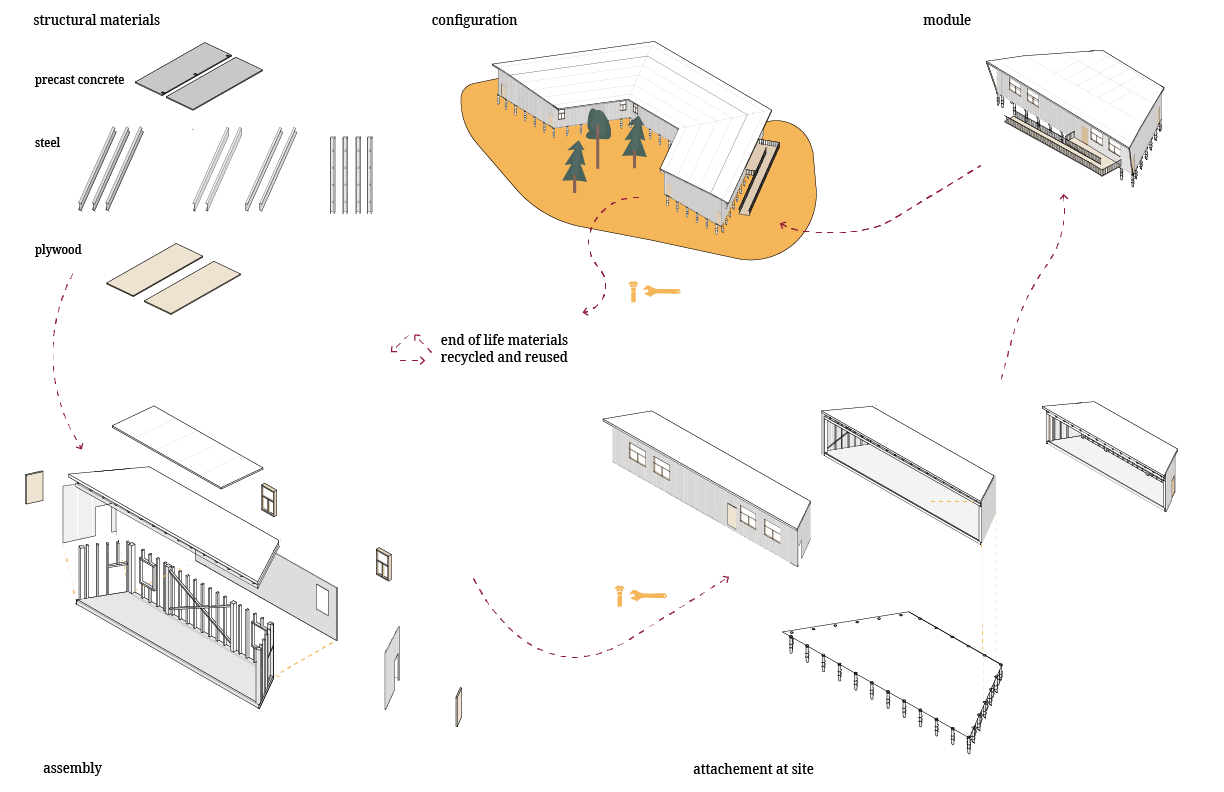
The primary construction material used is steel due to the ease of quick construction and sustainable end of life properties. Steel can be reused and recycled in contrast to concrete which has limited end of life value. Concrete is limited to precast concrete floor panels which provide durability and thermal mass.
Example Use
Visualizations
Next Steps & Evaluation
If I was to move forward with this project, I would show my structural design to an engineer to recieve further feedback which could impact the form. Additionally, I would beta test this with VR and the virtual model I developed with teachers, and potentially students. I might also do surveys with students to ensure the pain points of current classrooms are covered in the design. After further development I would create a physical prototype portable and try to simulate the use.